A familiar problem gives the product direction.
You know where customers get stuck, what they ask for, and what a useful result looks like. That is where the product work starts.
For business owners, creators, coaches and consultants
You know the problem firsthand. Get a product partner to help shape the idea, build it, and keep improving it after launch.
Make it real


Product experience behind
Directorly, FraudFindr & Magnet.
Featured story · FraudFindr
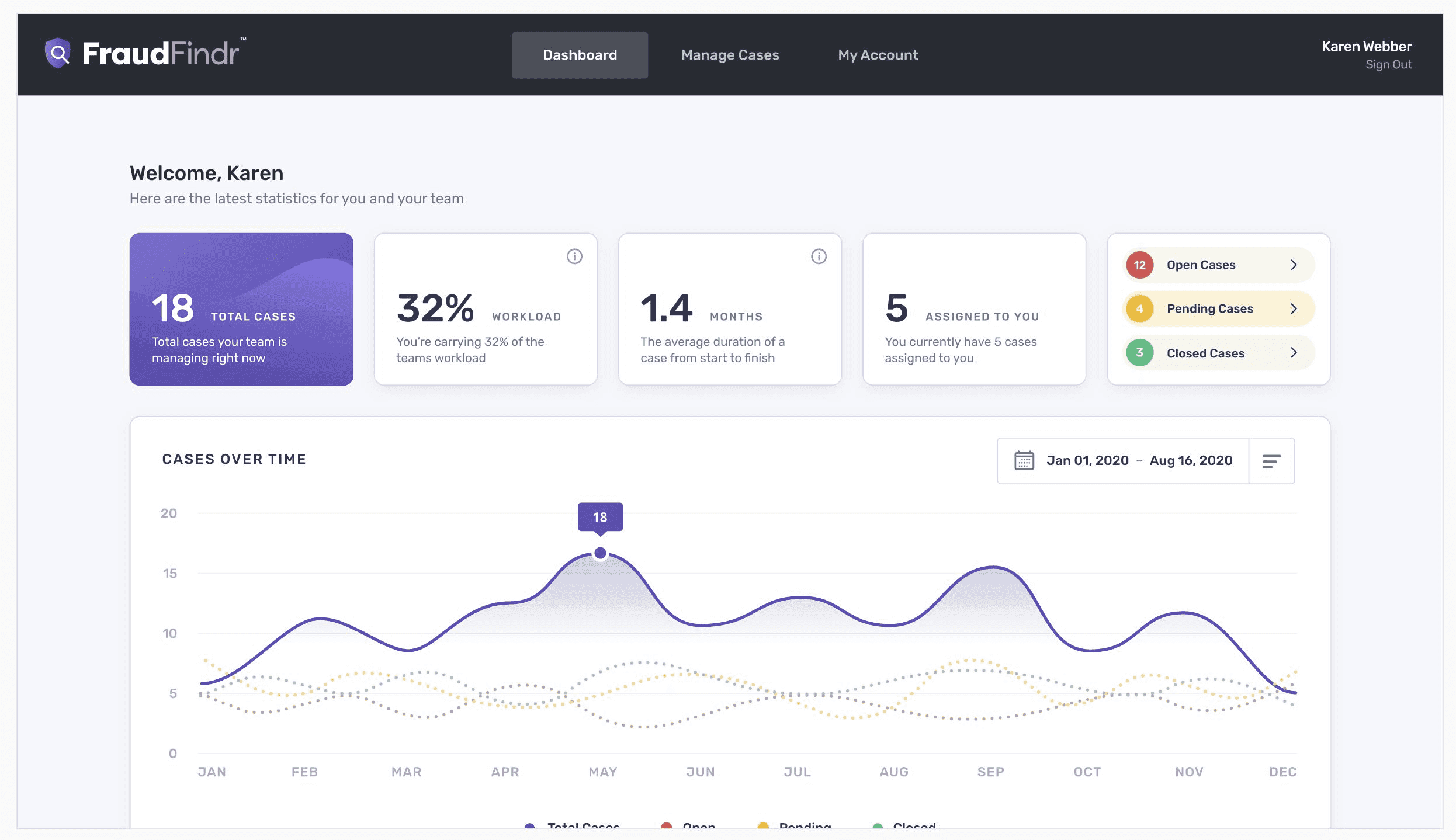
Karen Webber knew the work of forensic accounting. Chase helped turn that knowledge into FraudFindr, building the core platform alongside design partner Matt Olpinski.
In 2023, The Bonadio Group acquired Webber CPA, bringing FraudFindr into its software portfolio. The engineering relationship continued.
Read the FraudFindr storyFraudFindr · Built product
The idea keeps coming back
Two ways that knowledge can live
A few ways familiar work can become useful software.
Start with the problem you understand. We’ll work through the product together.
You don’t need to become a developer
You know where customers get stuck, what they ask for, and what a useful result looks like. That is where the product work starts.
Work out the smallest useful release. Put it in front of people who know the problem, then learn what deserves more work.
Customer questions, fixes, and new ideas need attention. We stay involved in the product and technical work as you learn what customers value.
Who this is for
A process your clients could use between sessions. A tool that helps people put your teaching into practice.
An assessment, calculation, or workflow you use repeatedly with clients.
An audience that trusts your judgment and a recurring problem you understand together.
A useful tool you developed inside your business that other people in the industry could use.
You need access to potential customers and time for product decisions. A large audience or technical background isn’t required.
People who have built with Chase

Directorly · With Tim Stoddart
Tim brought the domain knowledge and audience. Chase built the product people could use to create and monetize directories.
Explore Directorly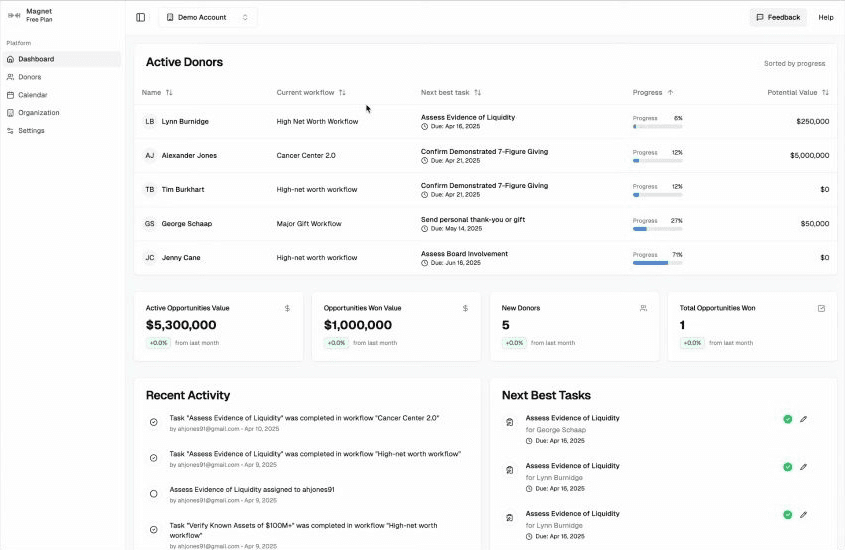
Magnet · With Alexander Jones
Alexander’s approach shaped a working first release for donor planning. The MVP launched in April 2025, followed by demos and first customers.
Explore Magnet“He was quickly able to understand complex accounting processes and translate them into a widely complimented program”

“Chase was incredibly responsive all along the way and did a great job asking questions.”
TheShop.ai · Product partnership
Shape the idea, launch a useful first version, and keep improving it with the people who use it. You own the business and the custom software.
Make it realHow we work together
The paid strategy sprint defines the customer, the problem, and a useful first release. We agree what belongs in the build before development starts.
A defined first-release plan
We handle design and development, help prepare your waitlist, and get signup, payments, and onboarding ready as scoped. You review decisions and introduce potential users. The initial build is included in the partnership.
Working software, ready to launch
The monthly service starts at launch. We support the product, work through customer feedback, and choose the next improvements with you.
Support and continued development
What you get help with
A working product needs decisions, design, and someone to look after it once customers arrive.
Work through who it is for, what they need to do, and what belongs in the first release. The strategy sprint gives the build a defined scope.
See how the product will work, review the design, and give feedback on working software. We manage the technical work behind it.
Get signup, onboarding, and payments ready where the product needs them. We help you prepare the waitlist and invite people from your network.
Customer questions become onboarding improvements, useful fixes, and a clearer picture of where people get stuck. Support coverage is agreed together.
Learn what customers value, decide what deserves attention, and keep shipping agreed improvements. Your knowledge stays part of those decisions.
Keep the software maintained as the product changes. We agree on the hosting, monitoring, security, and operating responsibilities before release.
Before and beyond the build
Before the call
Accepted applicants receive a first-look prototype before meeting. See a possible direction and have something concrete to discuss.
A concept preview with simulated behavior, not production software.
Through the partnership
You own the equity, custom code, and data, and control the project accounts. We agree the details before work begins.
Third-party tools and libraries retain their own licenses.
Built with founders
The investment on my end was absolutely worth it.
Your application comes directly to
Founder & technical partner
The person you’ll work with
I’m Chase. Over ten years, I’ve worked with founders from the first lines of code through launch and years of product changes.
I helped build FraudFindr from the beginning, then continued working with the team after the acquisition. I’ve also built products with the founders behind Directorly and Magnet.
You bring the industry judgment. I help turn that into product decisions and working software, and stay involved after launch.
More about ChaseA working relationship
Before you apply
No. A recurring customer question, a spreadsheet, or a method you teach can be enough to start. Share a concrete example of the problem and who has it.
Yes. You bring industry knowledge and take part in product decisions. We handle design, development, and the technical work. You can explain the problem in your own words.
We start with a paid strategy sprint to define the first release. The initial build is included in the partnership. After launch, the monthly service covers the agreed product development, customer support, and technical care. Scope and third-party costs are discussed before you commit.
You bring access to potential customers and lead sales and customer relationships. We help prepare the product and launch, learn from customer feedback, and improve the experience. Additional marketing or acquisition work is agreed separately.
Yes. You own the equity, custom code, and data, and control the project accounts. Third-party tools and libraries keep their own licenses. The agreement sets out ownership and handover details.
You make time for product decisions, feedback, and introductions to prospective customers. We agree on how we work together before starting and manage the product and technical work.
That depends on the product and the first release. We define the scope, dependencies, and target launch date together. A first-look prototype is a concept preview, not a finished product.
Chase reviews your answers and replies by email. If there is a fit, you receive a call invitation and a free first-look prototype to review before meeting. Applying does not commit you to a build.
Start with what you know
Tell us what you do, what keeps coming up, and who could use a better way. You don’t need a technical brief or a finished product plan.
Make it real